I have spent years doing SEO for iGaming operators and affiliates, from technical SEO audits to leading SEO for gambling brands. Few industries move as fast or punish mistakes as quickly. What worked in 2023 (buying a subfolder on a news site, publishing hundreds of near-identical casino reviews, chasing every "best casino" term with thin pages) is now a liability. Here is what is actually working in 2026.
iGaming SEO is search engine optimisation for online casinos, sportsbooks, poker, bingo and lottery sites, and for the affiliates that review and compare them. It combines technical and international SEO with strict YMYL trust standards and gambling regulation in every market.
What do gambling search results look like in 2026?
In short: fewer parasite pages, few AI Overviews on money terms, and more weight on trust signals than ever.
Site reputation abuse enforcement reshaped the top 10
For years, a large share of competitive gambling keywords were dominated by "parasite" pages: casino content hosted on high-authority news or lifestyle domains. Google's site reputation abuse policy targets exactly this: third-party content published on a host site mainly to exploit the host's ranking signals.
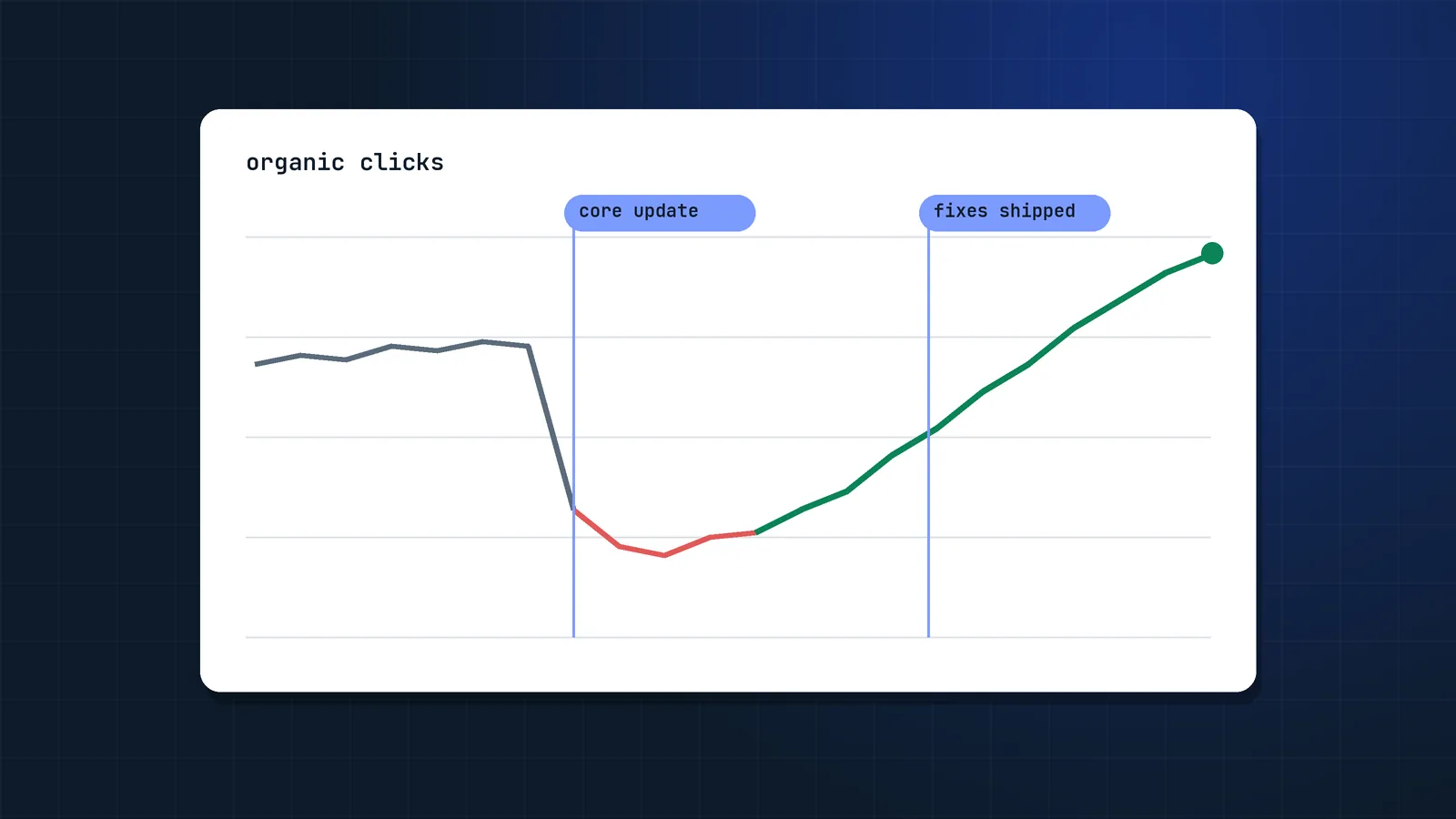
Industry reports differ on how much has changed. Some say the tactic was largely neutralised after the 2026 core and spam updates; others report that parasite-style pages still appear on many popular iGaming searches. My reading: enforcement is real and ongoing, and every visibility gain built on a domain you do not control can vanish overnight.
AI Overviews are rarer in gambling
Third-party SERP studies consistently find AI Overviews on far fewer gambling queries than the average keyword, and in my own tracking they rarely appear on commercial casino and betting terms. That means:
- Classic organic rankings still drive the bulk of gambling revenue.
- AI features show up more on informational queries (rules, how-to, odds explanations, regulation questions).
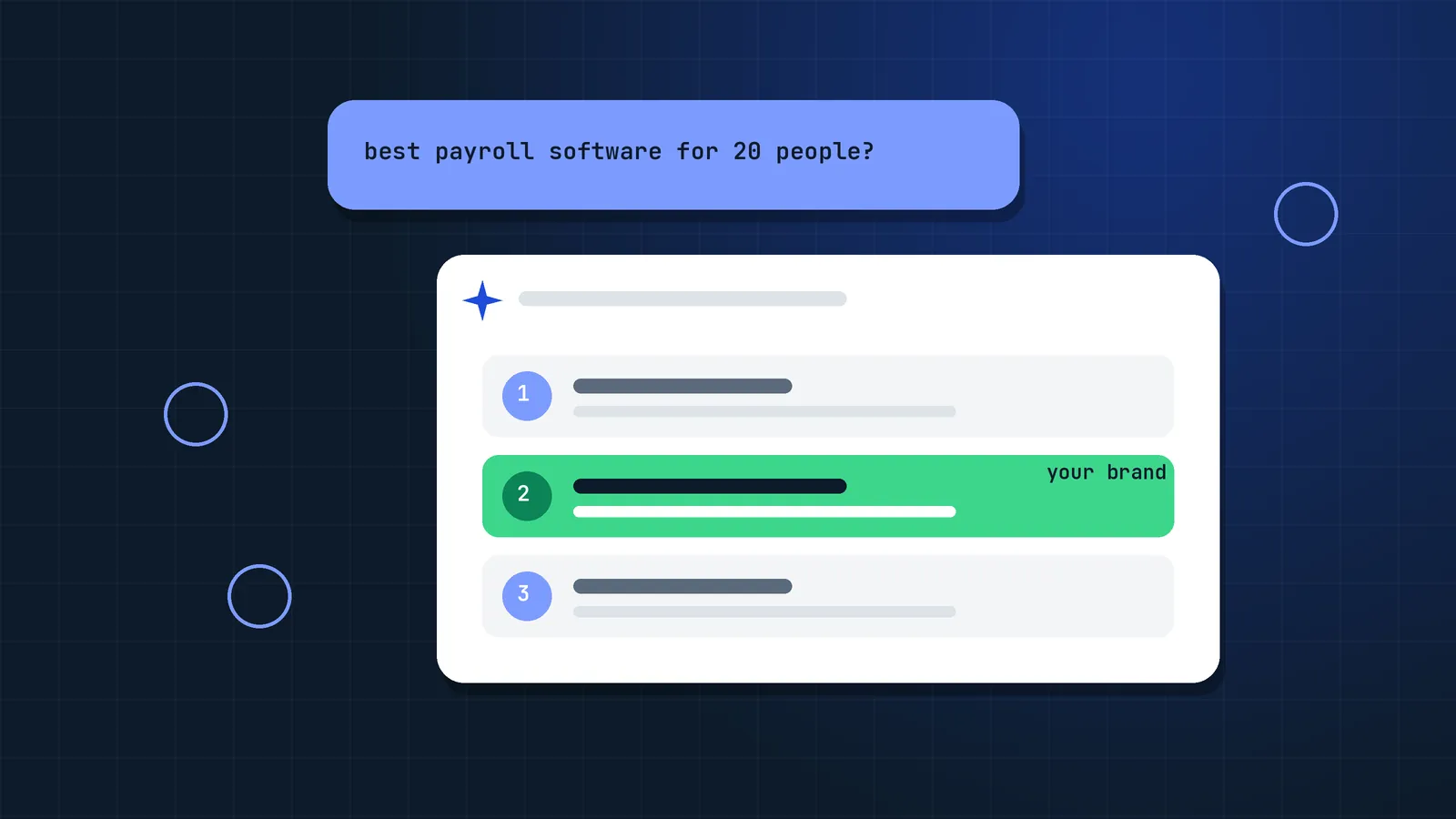
- AI assistants like ChatGPT matter for brand research, such as "is [casino] legit" or "[sportsbook] withdrawal time". Your reputation across review sites feeds those answers. See LLM visibility.
Trust signals carry more weight than ever
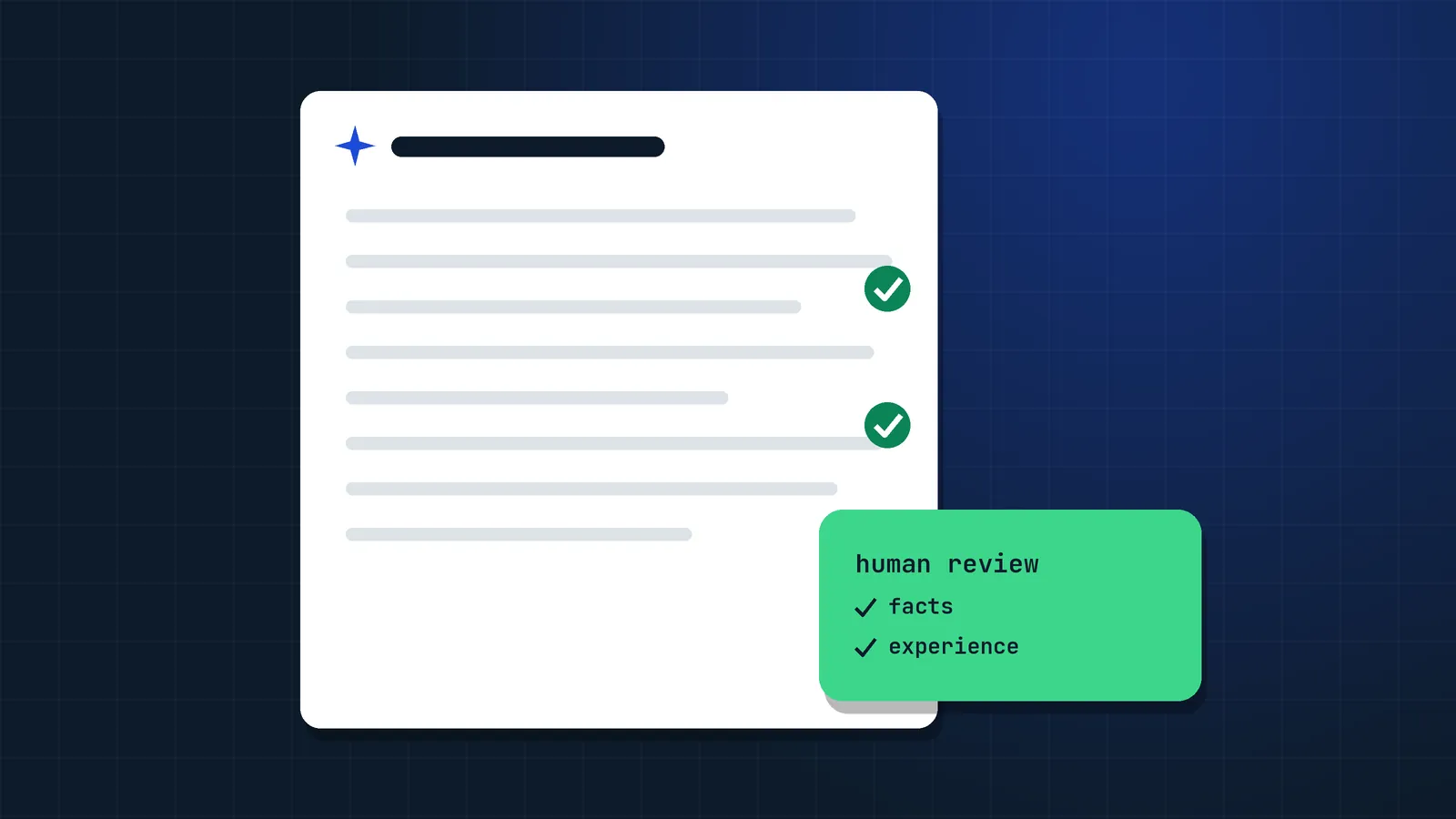
Gambling content is YMYL: it affects people's money and wellbeing. Google's Search Quality Rater Guidelines instruct raters to apply higher standards to such pages. Sites that consistently win show clear licensing information, transparent ownership, named expert authors, responsible gambling content and accurate, current terms.
What SEO strategy works for iGaming operators?
Operators win on what affiliates cannot copy: their own brand, product data and market coverage.
1. Own every query that contains your brand
Brand + "login", "bonus", "app", "withdrawal", "review", "promo code", "legit". Affiliates and forums will rank for these if you leave gaps. Build dedicated, helpful pages and keep them accurate.
2. Win game, payment and market queries
Operators have product data affiliates cannot match: game libraries, RTP information, live payment method availability, withdrawal times, sports markets. Build strong pages for "[game] online", "casino with [payment method]", "[sport] betting [market]" in each regulated market.
3. Get international SEO right
Most operators run multiple licensed markets. Use clear market structures (ccTLDs or subfolders), correct hreflang between true equivalents, and geo-specific content that reflects local licensing, products and terms. Never show content for markets where you are not licensed.
4. Fix the technical basics at scale
Operator sites are often heavy JavaScript apps with game lobbies, filters and personalisation. Make sure key landing pages render server-side, faceted URLs do not explode the crawl, and game pages have indexable descriptive content, not just an iframe.
5. Leave "best casino" head terms to affiliates
Those SERPs are built around comparison. Unless you have a genuinely neutral comparison product, compete on your own brand and product queries and partner with affiliates on the rest.
What SEO strategy works for casino and betting affiliates?
Affiliates win on proof: first-hand testing, named experts and terms that are always current.
1. Prove you actually test
Real deposits, real withdrawals, timed payout tests, screenshots, video, support response logs. First-hand evidence is the single clearest way to separate your reviews from the thousands of rewritten bonus pages.
2. Build named, credible authors
Use real reviewers with bios, experience and accountability. Add a transparent review methodology page and explain how you rate operators and how you make money.
3. Stop scaling thin pages
Hundreds of near-identical "[casino] review" or "[slot] review" pages generated from templates or AI are exactly what scaled content abuse policies target. Fewer, deeper pages with unique data perform better and are far safer. More in using AI content without getting hit.
4. Keep terms accurate
Bonus terms, wagering requirements and promotions change constantly, and regulation changes them too. In Great Britain, the Gambling Commission's rules from January 19, 2026 cap wagering requirements at 10x and ban promotions that mix gambling products (for example, combining betting and casino in one offer). Any UK-facing review still showing old terms is inaccurate. Add "terms last checked" dates and a review process.
5. Diversify beyond Google
Email lists, communities, YouTube and app traffic protect affiliates from update volatility. Brand demand also feeds AI assistants, which increasingly influence how players research operators.
What content ranks in gambling search?
In gambling search, the content that wins is original, local and trustworthy: tested data, market-specific guides and clear compliance information.
| Content type | Why it works |
|---|---|
| Tested payout speed rankings | Original, verifiable data competitors cannot copy |
| Payment method guides per market | High commercial intent, clear local relevance |
| Game rules and strategy guides | Informational demand, earns links and AI citations |
| Regulation explainers by market | Trust building, frequently searched after law changes |
| Responsible gambling resources | Required for trust, YMYL quality signals |
| Odds and betting calculators | Linkable tools with repeat usage |
Why is compliance part of iGaming SEO?
Because inaccurate or non-compliant gambling pages lose trust with users, regulators and Google's quality systems at the same time. The basics:
- Display licence numbers and regulators clearly.
- Include responsible gambling messaging and helpline links appropriate to the market.
- Respect age-gating and advertising rules in each jurisdiction.
- Keep affiliate disclosures visible.
- Check that structured data and metadata do not promise bonuses that no longer exist.
Non-compliant content is not just a legal risk; inaccurate pages lose user trust, and Google's quality guidelines treat misleading YMYL content harshly.
FAQ
Is iGaming SEO still possible after Google's 2026 updates?
Yes. Google's updates removed many shortcuts, but sites with real brand authority, first-hand testing, accurate terms and strong technical foundations are winning more visibility, not less. The competition has shifted from tactics to trust.
Does parasite SEO still work for casino keywords?
Some parasite pages still rank, but Google actively enforces its site reputation abuse policy and has run several spam updates in 2026. Rankings built on someone else's domain can disappear without warning, so it is a high-risk short-term tactic, not a strategy.
Do AI Overviews affect gambling sites?
Much less than other niches. Third-party SERP studies find AI Overviews on a far smaller share of gambling queries than average. They appear mainly on informational queries, while commercial casino and betting searches still show mostly classic results.
What changed for UK casino bonuses in 2026?
From January 19, 2026, the UK Gambling Commission capped wagering requirements on bonuses at 10x and banned promotions that mix different gambling products. Affiliate and operator pages targeting UK players need updated terms to stay accurate and compliant.
How long does iGaming SEO take to show results?
In competitive markets, expect four to nine months for meaningful movement on commercial terms, faster for brand, payment and long-tail queries. New domains in established markets take longer than expanding an existing trusted brand into a new market.
What is iGaming SEO?
iGaming SEO is search engine optimisation for online casinos, sportsbooks, poker, bingo and lottery brands and the affiliates that review them. It covers technical and international SEO, content and authority building under strict YMYL quality standards and gambling regulations in each market.
Do multi-market casino sites need hreflang?
Yes, when the same page exists for several licensed markets or languages. Correct hreflang between true equivalents helps Google show the right market version, and it must never point players to a market where the brand is not licensed.
Sources
- iGaming SEO 2026: strategies that work for operators, iGaming Firms
- iGaming SEO in 2026: parasite pages and how affiliates compete, BigBetty
- Defining trends in iGaming SEO in 2026, Absolute Digital
- Spam policies for Google web search: site reputation abuse, Google Search Central
- Gambling promotions to be safer and simpler, UK Gambling Commission
- Ranking incident history, Google Search Status Dashboard
- Search Quality Rater Guidelines (PDF), Google
- Tell Google about localized versions of your page (hreflang), Google Search Central
- Understand JavaScript SEO basics, Google Search Central